


Analysts are wary of a vulnerability linked to the relatively new Ethereum Improvement Proposal (EIP-7702) feature following a phishing attack of over 1 million investors.
Anti-Flaard Services Sniffer is paying attention to the rise in phishing frauds where target addresses of attackers have been upgraded based on the new EIP-7702 standard.
Introduced as part of the Pectra upgrade since May, the EIP-7702 feature is designed to enhance wallet functionality by allowing externally owned accounts (EOAs) to work temporarily like smart contracts.
This feature accelerates optimization by allowing multiple operations to be performed within a single transaction, thereby increasing efficiency for legitimate users. However, the feature reportedly opened them in a new exploitation window.
There have been at least three casualties this month
The latest unfortunate victim reportedly lost a total of $1.54 million after signing an EIP-7702 phishing batch transaction that included multiple token transfers and NFT approval operations. Some of these funds are reportedly placed on the mainnet via relay protocols.
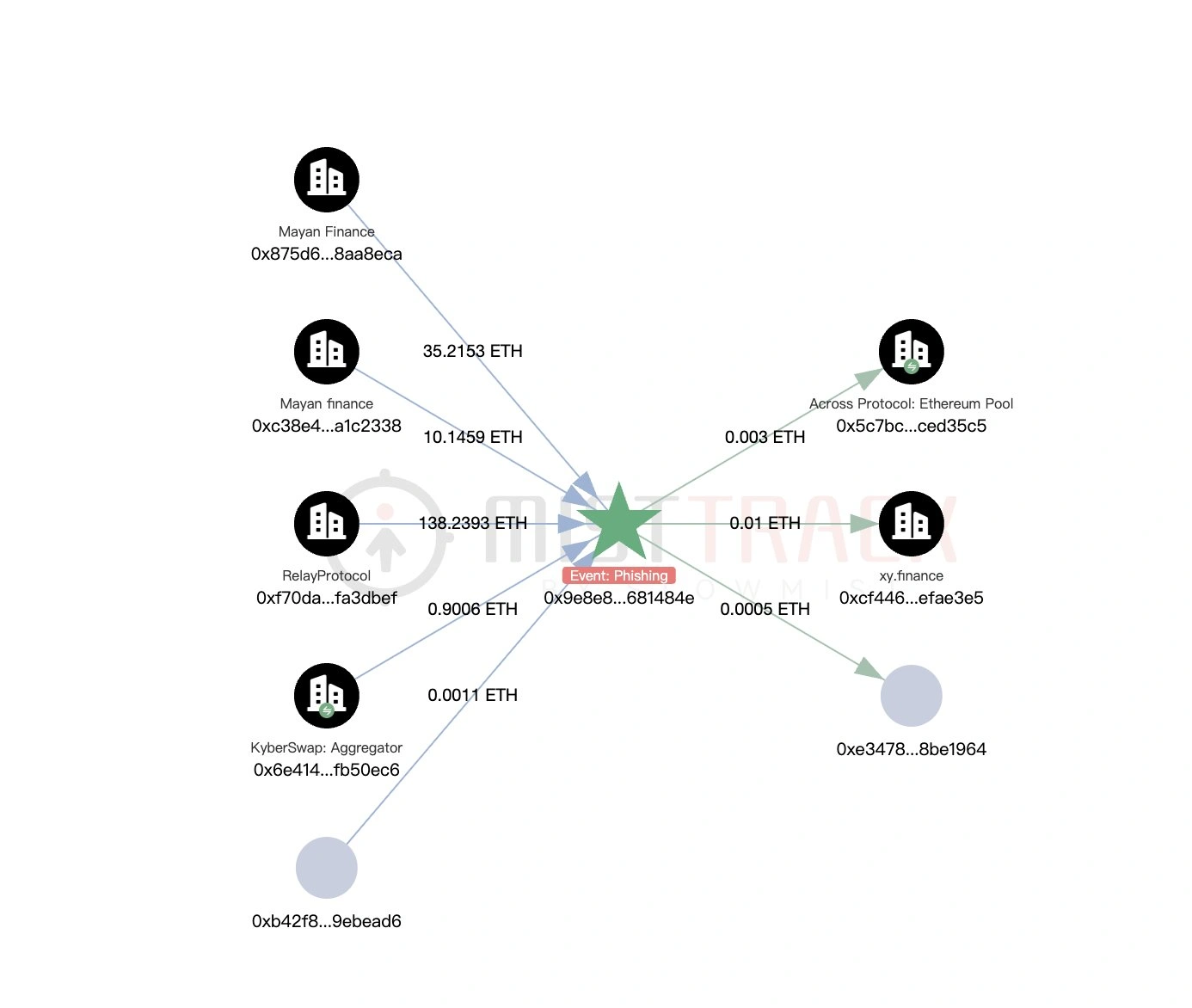
Exploiters buried stolen funds in the mainnet via relay protocols. Source: @RealScamsNiffer (x/Twitter)
The case comes two days after the fraud Sniffer signed a phishing batch deal disguised as a UNISWAP swap, and another investor announced that he lost $1 million in tokens and NFTs.
This exploit occurred a few weeks after the Anti-Fraud service reported that the upgraded address for EIP-7702 using the same exploit and losing $66,000 to the same group.
These schemes include rogue Defi interfaces that are typically designed to mimic platforms such as UniSwap. Victims were encouraged to approve transactions that appear routine at first glance, but were actually allowed to be hidden transfers.
Once approved, the attacker will almost instantly drain the wallet and suck up the code and NFT.
According to Scam Sniffer, many users are still in the dark about the risks linked to EIP-7702, as it is a recent development. Malicious transactions are usually structured to look normal, making unsuspecting users vulnerable.
Security experts have reported the EIP-7702 exploit since June
Scam Sniffer has confirmed that phishing attacks targeting upgraded addresses for EIP-7702 are on the rise, indicating a growth trend. However, that’s not a new trend as security experts have been reporting incidents for months now.
In June, WinterMute researchers revealed that Exploiters were targeting several unsuspecting crypto wallets with “automatic sweeper” attacks. This time, we have a new feature launched as part of the EIP 7702 using “Delegate Contracts.”
EIP-7702 offers new conveniences, but also introduces new risks
Our research team found that over 97% of all EIP-7702 delegations were granted multiple contracts using the same exact code. These are sweepers and are used to automatically drain compromised ETH…pic.twitter.com/xhp7zr4hc9
– WinterMute (@wintermute_t) May 30, 2025
In a series of tweets shared via the official X-handle, Wintermute claimed that the research team found that over 80% of all EIP-7702 delegations were granted multiple contracts using the same exact code. They called them sweepers and reported that it was used to automatically drain ETH from compromised addresses.
Malicious attempts by hackers to drain ETH from their wallets continue despite the Ethereum Foundation’s $1 trillion security program, announced on May 14th.
For security, the fraud sniffer urged users to be cautious and vigilant when approving a batch transaction when verifying an interface carefully before signing anything.
Designed to mimic legitimate platforms, fake defi platforms are tagged as one of the most common attack vectors in the crypto sector, and the introduction of batch transactions has been proven to improve the user experience of legitimate applications, but they increase complexity while increasing the likelihood of exploits.
The best way to get ahead of the problem is to use only the trusted applications and triple check permissions granted during every transaction.
Discover more from Earlybirds Invest
Subscribe to get the latest posts sent to your email.


